
Portable Solar Generators: Which One Should You Buy?
In 2025, the demand for portable solar generators continues to surge as more people seek sustainable, reliable, and off-grid power solutions. Whether you’re an outdoor enthusiast, a homeowner preparing for emergencies, or someone aiming to reduce your carbon footprint, portable solar generators offer a versatile way to harness clean energy anywhere. But with so many options on the market, choosing the right one can be overwhelming. This comprehensive guide will help you navigate the key features, benefits, and considerations to make an informed decision about which portable solar generator suits your needs best.
Why Portable Solar Generators Matter in 2025
As climate change intensifies and energy costs rise, portable solar generators have become more than just a convenience—they’re a necessity. In 2025, advancements in solar technology have made these devices more efficient, affordable, and user-friendly than ever before. They provide a quiet, emission-free alternative to traditional gas-powered generators, making them ideal for camping, tailgating, emergency backup, and even everyday use.
Moreover, with increasing grid instability and natural disasters, having a reliable power source that doesn’t depend on fossil fuels is crucial. Portable solar generators empower users to stay connected, keep essential devices charged, and maintain comfort during outages. Understanding the features and capabilities of these generators will help you invest in a product that delivers the best value and performance.
What to Look for When Buying a Portable Solar Generator
Choosing the right portable solar generator involves evaluating several important factors. Here’s what you should consider:
-
Power Capacity (Watt-hours and Watts): The capacity determines how much energy the generator can store and output. Watt-hours (Wh) indicate the total energy storage, while watts (W) reflect the maximum power output at a given moment. For example, a 500Wh generator can power a 50W device for 10 hours.
-
Portability and Weight: Since these generators are designed to be portable, weight and size matter. Consider how often you’ll be transporting it and whether it fits your intended use, like camping or emergency kits.
-
Solar Panel Compatibility: Some generators come with built-in solar panels, while others require you to purchase panels separately. Check the input wattage and connector types to ensure compatibility with your solar panels.
-
Charging Options: Besides solar charging, look for generators that support AC wall charging, car charging, or USB-C PD fast charging for flexibility.
-
Output Ports: Multiple output options such as AC outlets, USB-A, USB-C, 12V DC ports, and even wireless charging pads increase versatility.
-
Durability and Weather Resistance: If you plan to use the generator outdoors, ensure it has a rugged design and some level of water and dust resistance.
-
Battery Type: Lithium-ion batteries are common for their high energy density and longer lifespan, but some generators use lithium iron phosphate (LiFePO4) batteries, which offer enhanced safety and cycle life.
Top Portable Solar Generators in 2025: Features and Use Cases
Here are some popular portable solar generators available in 2025, categorized by use case:
1. Best for Camping and Outdoor Adventures: Jackery Explorer 1000 Pro
The Jackery Explorer 1000 Pro strikes a balance between power and portability. With a 1002Wh capacity and 1000W continuous output, it can easily power small appliances, laptops, and multiple devices simultaneously. It supports solar input up to 200W, enabling quick recharge during the day.
Amazon – https://amzn.to/45AaMUp
- Why it’s great: Lightweight (22 lbs), multiple output ports, easy-to-read LCD screen, and quiet operation.
- Ideal for: Campers, RV travelers, and outdoor enthusiasts needing reliable power away from the grid.
2. Best for Emergency Backup: EcoFlow Delta Max
The EcoFlow Delta Max offers a massive 2016Wh capacity and 2400W surge power, making it perfect for home backup during outages. It supports fast solar charging (up to 600W input) and can recharge fully in under 4 hours with AC power.
Amazon – https://amzn.to/4mmtd6d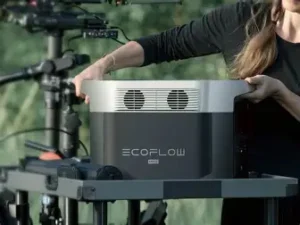
- Why it’s great: High power output, expandable battery capacity, app control, and multiple AC outlets.
- Ideal for: Homeowners preparing for blackouts or natural disasters.
3. Best Budget Option: Bluetti EB3A
For those seeking affordability without sacrificing quality, the Bluetti EB3A delivers 268Wh capacity and 600W output. It supports solar input and features USB-C PD fast charging, making it versatile for everyday use.
Amazon – https://amzn.to/45mhWwM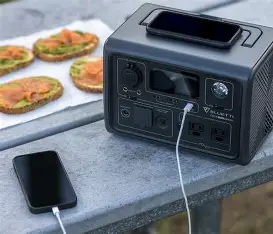
- Why it’s great: Compact size, lightweight (7.5 lbs), and budget-friendly price.
- Ideal for: Casual users, day-trippers, and as a secondary power source.
4. Best for Heavy-Duty Use: Goal Zero Yeti 3000X
The Goal Zero Yeti 3000X is a powerhouse with 3032Wh capacity and 2000W continuous output. It’s designed for serious off-grid living, construction sites, or extended power outages. Its rugged build and multiple charging options make it a top-tier choice.
Amazon – https://amzn.to/3Uw1SSX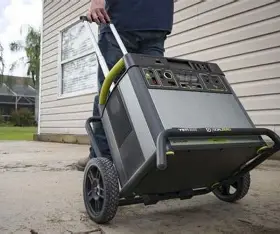
- Why it’s great: Massive capacity, durable design, multiple ports, and smart battery management.
- Ideal for: Professionals, off-grid cabins, and long-term emergency preparedness.
Tips for Maximizing Your Portable Solar Generator’s Efficiency
To get the most out of your portable solar generator, consider the following tips:
-
Optimize Solar Panel Placement: Position solar panels in direct sunlight, angled toward the sun, and away from shadows for maximum energy absorption.
-
Manage Power Usage: Prioritize essential devices and avoid running high-wattage appliances simultaneously to extend battery life.
-
Regular Maintenance: Keep solar panels clean and inspect cables and connectors for damage to maintain efficient charging.
-
Use Energy-Efficient Devices: Pair your generator with LED lights, energy-saving appliances, and low-power electronics to conserve energy.
-
Store Properly: When not in use, store your generator in a cool, dry place and charge it periodically to preserve battery health.
Common Mistakes to Avoid When Buying a Portable Solar Generator
Avoid these pitfalls to ensure you select the best generator for your needs:
-
Buying Based on Price Alone: Cheaper models may lack durability, capacity, or essential features. Invest in quality for long-term reliability.
-
Ignoring Power Needs: Underestimating your energy consumption can leave you without power when you need it most. Calculate your device wattage before purchasing.
-
Overlooking Solar Panel Compatibility: Not all generators work with all solar panels. Confirm compatibility to avoid costly mismatches.
-
Neglecting Port Variety: If you have multiple devices, ensure the generator has enough and the right types of ports.
-
Forgetting Battery Life and Warranty: Check the battery cycle life and warranty terms to avoid premature failures.
Conclusion: Making the Right Choice in 2025
Portable solar generators are a smart investment in 2025, offering clean, quiet, and versatile power for a wide range of applications. Whether you need a lightweight unit for weekend camping or a robust system for emergency home backup, understanding your power requirements, portability needs, and budget will guide you to the best option.
Remember to consider capacity, charging speed, output options, and durability when comparing models. Brands like Jackery, EcoFlow, Bluetti, and Goal Zero continue to lead the market with innovative features and reliable performance.
By choosing the right portable solar generator, you’re not only gaining energy independence but also contributing to a greener, more resilient future. Start your journey toward sustainable power today and enjoy the freedom of solar energy wherever life takes you.