
Lightweight Solar Panels for Backpacking: The Ultimate Guide for 2025
In 2025, the trend toward sustainable and self-sufficient outdoor adventures is stronger than ever. Backpackers, hikers, and outdoor enthusiasts are increasingly relying on renewable energy to power their devices while off the grid. Lightweight solar panels for backpacking have become essential gear, enabling adventurers to stay connected, navigate safely, and capture memories without the burden of heavy batteries or fuel-based generators. This article dives deep into why lightweight solar panels matter, how to choose the best ones, and tips to maximize their efficiency on your next trip.
Why Lightweight Solar Panels Matter for Backpacking in 2025
As technology advances, so do the expectations of outdoor gear. In 2025, backpackers demand equipment that is not only functional but also eco-friendly and easy to carry. Lightweight solar panels fit perfectly into this niche by offering:
- Sustainable power generation: No need for disposable batteries or fossil fuels.
- Portability: Reduced weight means less strain on your back.
- Reliability: Solar panels provide power as long as the sun shines, ideal for multi-day trips.
- Versatility: Charge phones, GPS devices, cameras, and even portable batteries.
With more people embracing long-distance hiking and remote exploration, having a dependable power source is no longer a luxury but a necessity. Lightweight solar panels help minimize environmental impact while enhancing your outdoor experience.
Types of Lightweight Solar Panels for Backpacking
Choosing the right type of solar panel depends on your specific needs, trip length, and the devices you plan to power. Here are the most common types of lightweight solar panels for backpacking:
1. Monocrystalline Solar Panels
Monocrystalline panels are made from a single crystal structure, making them highly efficient and compact. They typically offer the highest power output relative to their size and weight.
Amazon – https://amzn.to/41PrXjM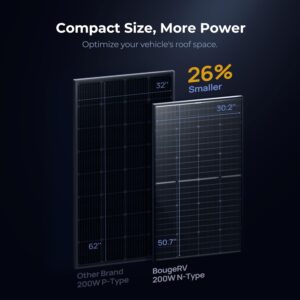
- Pros: High efficiency (up to 22%), compact design, durable.
- Cons: Usually more expensive than other types.
- Best for: Backpackers who prioritize power and space-saving.
2. Polycrystalline Solar Panels
These panels are made from multiple silicon crystals and are generally less efficient but more affordable.
Amazon – https://amzn.to/4oPbC8H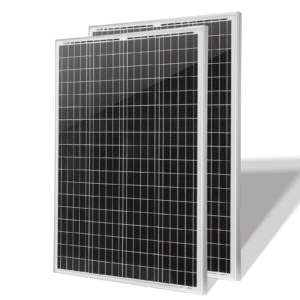
- Pros: Lower cost, decent durability.
- Cons: Lower efficiency (around 15-17%), slightly heavier.
- Best for: Budget-conscious backpackers who don’t need maximum output.
3. Thin-Film Solar Panels
Thin-film panels are lightweight and flexible, often used in foldable or rollable designs.
Amazon – https://amzn.to/4g9SgHD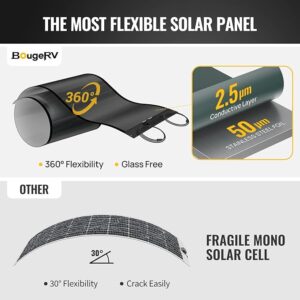
- Pros: Extremely lightweight, flexible, can be integrated into backpacks.
- Cons: Lower efficiency (around 10-12%), shorter lifespan.
- Best for: Ultralight backpackers and those who want integrated solar gear.
Key Features to Look for in Lightweight Solar Panels
When selecting a lightweight solar panel for backpacking, consider these critical features to ensure you get the best performance and convenience:
Portability and Weight
Since backpacking involves carrying all your gear, every ounce counts. Look for panels that weigh less than 1.5 pounds (700 grams) and can fold or roll up compactly.
Power Output (Wattage)
Determine your power needs based on the devices you’ll charge. For smartphones and small gadgets, 5-10 watts may suffice. For charging power banks or multiple devices, 15-30 watts is ideal.
Durability and Weather Resistance
Backpacking exposes gear to rough conditions. Choose solar panels with water-resistant or waterproof ratings (IPX4 or higher) and rugged casing to withstand rain, dust, and impacts.
Charging Options and Compatibility
Many lightweight solar panels come with USB ports, making them compatible with most devices. Some models also offer DC outputs or come with adapters for specific gear.
Efficiency and Sunlight Performance
Higher efficiency panels charge faster and perform better in low-light conditions, such as cloudy or shaded environments. This can be crucial for trips with variable weather.
Tips for Using Lightweight Solar Panels Effectively on the Trail
Maximizing the benefits of your lightweight solar panel requires some practical know-how. Here are tips to get the most out of your solar charging setup:
Position Your Panel Correctly
- Aim the solar panel directly at the sun for maximum exposure.
- Adjust the angle throughout the day as the sun moves.
- Avoid placing the panel under tree cover or shadows.
Charge During Peak Sun Hours
- The best charging times are between 10 a.m. and 4 p.m.
- Plan your charging sessions during breaks or while setting up camp.
Use a Power Bank for Energy Storage
- Connect your solar panel to a high-quality power bank.
- This allows you to store energy and charge devices anytime, even at night or in bad weather.
Keep the Panel Clean
- Dirt, dust, and debris reduce solar panel efficiency.
- Wipe the surface regularly with a soft cloth.
Combine Solar Panels for Higher Output
- Some models allow you to connect multiple panels in parallel.
- This setup is useful for longer trips or powering multiple devices simultaneously.
Recommended Lightweight Solar Panels for Backpacking in 2025
Here are a few top-rated lightweight solar panels that backpackers are raving about in 2025:
- Anker 21W Foldable Solar Charger: Compact, efficient, and equipped with dual USB ports. Ideal for charging phones and small devices.
- Goal Zero Nomad 10: Rugged and weather-resistant, perfect for serious hikers who need reliable power.
- BigBlue 28W Solar Charger: Offers high wattage with foldable design and smart charging technology.
- SunJack 25W Portable Solar Charger: Lightweight and fast-charging, compatible with a wide range of devices.
Each of these options balances portability, power, and durability, making them excellent choices for backpacking adventures.
Environmental Benefits of Using Solar Panels While Backpacking
Using lightweight solar panels aligns with the growing emphasis on eco-friendly outdoor practices. Benefits include:
- Reducing reliance on disposable batteries and fuel-powered generators.
- Minimizing carbon footprint during outdoor activities.
- Promoting a leave-no-trace ethic by avoiding waste and pollution.
- Encouraging innovation in sustainable outdoor gear.
By choosing solar power, backpackers contribute to preserving natural landscapes for future generations.
Conclusion: Power Your Adventures Sustainably with Lightweight Solar Panels
In 2025, lightweight solar panels for backpacking have evolved from niche gadgets to essential gear for modern outdoor enthusiasts. Their ability to provide clean, reliable, and portable energy makes them indispensable for anyone venturing off the grid. When selecting a solar panel, consider your power needs, weight preferences, and environmental conditions to find the perfect match. Remember to position your panel wisely, use a power bank for storage, and maintain your gear for optimal performance.
Ultimately, lightweight solar panels empower backpackers to stay connected, safe, and environmentally responsible — all while enjoying the freedom of the great outdoors. Whether you’re a weekend hiker or a long-distance trekker, investing in a quality lightweight solar panel is a smart step toward sustainable and enjoyable adventures.